

Why Modern Isle of Man TT Wins Are Statistically Harder to Achieve Than Ever

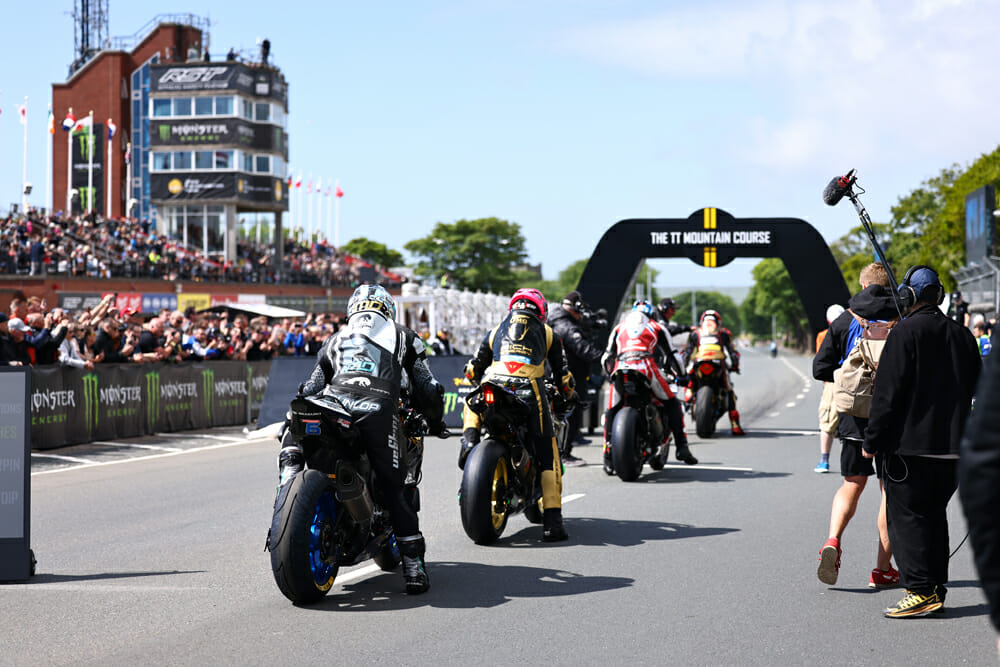
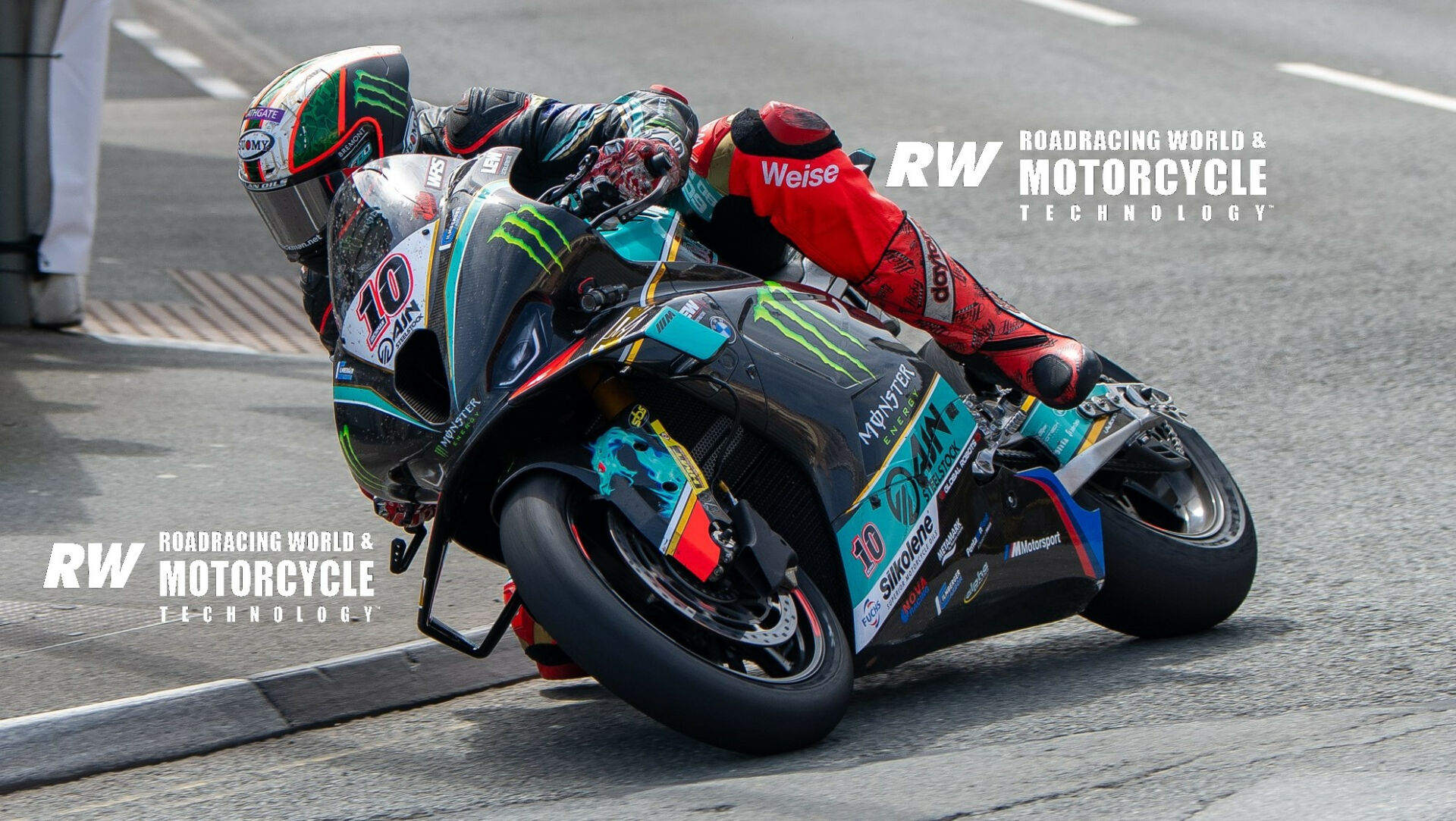
The statistics surrounding the Isle of Man TT can be misleading.
On paper, the modern era looks faster, safer, and more professional. Lap records fall, machines are more reliable, and riders arrive better prepared than ever. Yet paradoxically, winning the TT today is harder than at any point in its history — and the numbers quietly prove it.
Fewer Races, Fewer Chances
Historically, riders like Joey Dunlop and Mike Hailwood raced in an era with:
-
More classes
-
More race starts per fortnight
-
Less overlap between machine categories
Modern TT schedules are leaner by design. Safety concerns, logistical realities, and rising costs have reduced opportunities. That means fewer bites at the cherry, fewer chances to build win totals, and far less room for recovery after a mechanical issue or weather delay.
One poor session can now wipe out an entire campaign.
Grid Depth Has Never Been Stronger
Earlier TT eras often had clear performance gaps between factory-supported riders and the rest of the field. Today, that gap has narrowed dramatically.
Modern grids feature:
-
Ex-BSB race winners
-
World Superbike and endurance veterans
-
Data engineers and performance analysts embedded in teams
The difference between first and tenth is often seconds over nearly 38 miles — a margin that would once have been unthinkable.
Winning now means beating more riders capable of winning.
Mechanical Equality Raises the Bar
Modern TT machinery is astonishingly capable — but that capability is shared.
Electronics, suspension knowledge, tyre development, and baseline setups mean fewer “bad bikes.” The upside is safer, faster racing. The downside? Talent margins shrink.
Where past greats could ride around limitations, today’s riders must extract perfection from already-excellent packages. Success becomes less about heroics and more about executing flawlessly, repeatedly, with nowhere to hide.
Risk Management Is Ruthless
The TT has always been dangerous. What’s changed is the understanding of risk.
Modern riders:
-
Know exactly where the margins lie
-
Are acutely aware of consequences
-
Ride with data, not folklore
This doesn’t make them slower — it makes them strategic. Winning now requires a constant internal negotiation between speed and survival. Push too hard and you won’t finish. Hold back too much and you won’t feature.
That balance is harder to strike than blind bravery ever was.
Weather Still Decides Everything
Despite all technological progress, the Mountain Course remains gloriously indifferent to human planning.
Modern TT weeks are more compressed, meaning weather delays can:
-
Cancel races entirely
-
Force rushed schedules
-
Eliminate practice opportunities
In earlier eras, riders often had more time to adapt. Today, adaptability must be instant. Those who succeed do so under pressure that previous generations simply didn’t face in the same way.
Why This Reframes Modern Success
This context fundamentally changes how modern TT riders should be judged.
Peter Hickman’s win tally, for example, cannot be read through the same lens as Joey Dunlop’s. Hickman operates in a tighter window, against deeper competition, with fewer opportunities — yet he is the fastest rider the TT has ever seen.
Modern TT success is compressed greatness.
Fewer races. Smaller margins. Higher stakes.
The Honest Conclusion
The TT hasn’t become easier.
It has become more exacting.
That’s why modern wins carry disproportionate weight — and why future riders may never match the raw totals of the past. Not because they lack ability, but because the Mountain Course now demands perfection more often, from more people, with less forgiveness.
And that, in its own way, is progress.