

The Five Most Successful Motorcycle Track Racers of All Time – And Why They Stand Above the Rest
Success in motorcycle track and circuit racing is earned the hard way. There are no shortcuts, no lucky weather windows, and nowhere to hide. Circuits demand relentless consistency, technical intelligence, adaptability to rule changes, and the mental strength to perform under pressure every single weekend.
Winning one championship is special. Winning multiple titles across eras, machinery, and regulations is what defines the all-time greats.
Here are the five most successful motorcycle track racers of all time, chosen not just by statistics, but by longevity, dominance, influence, and the difficulty of their achievements, followed by honourable mentions who shaped circuit racing history.
1. Giacomo Agostini
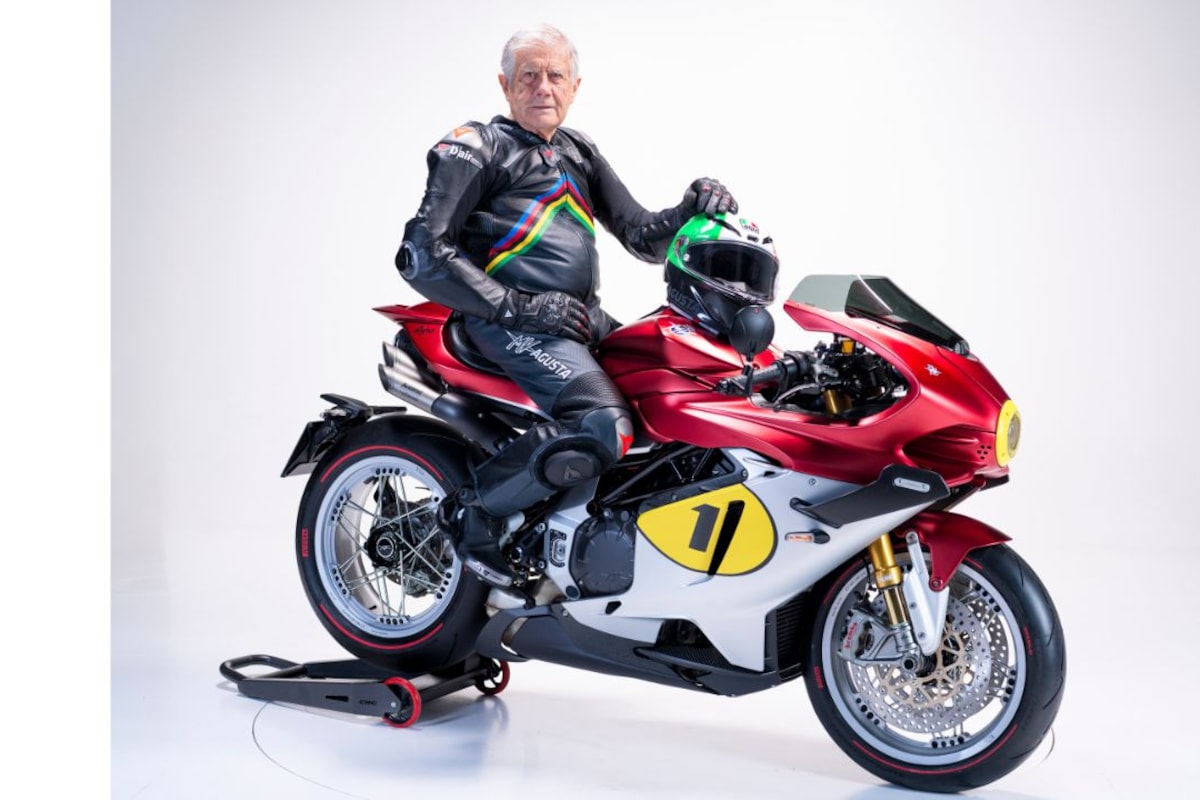
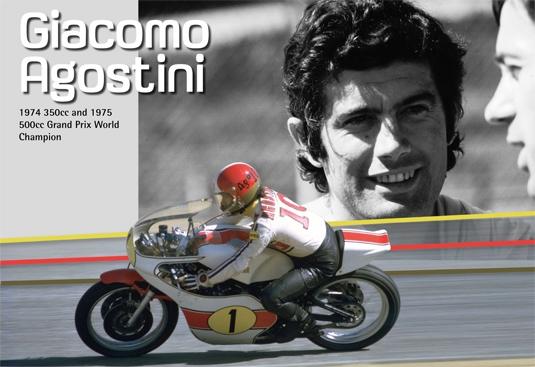
15 World Championships | 122 Grand Prix wins
Giacomo Agostini remains the statistical and historical benchmark for motorcycle circuit racing.
Fifteen world titles across 350cc and 500cc categories is a record that has stood untouched for decades. While critics often point to smaller grids and factory dominance in his early MV Agusta years, that argument collapses when viewed in full context. Agostini proved his greatness again by switching to Yamaha and winning on a fundamentally different machine.
What sets Agostini apart is not just the volume of wins, but the length of his dominance. He didn’t have one golden run — he defined an era. Every rider who followed has been measured against his numbers, and none have come close to matching his total championship haul.
2. Valentino Rossi

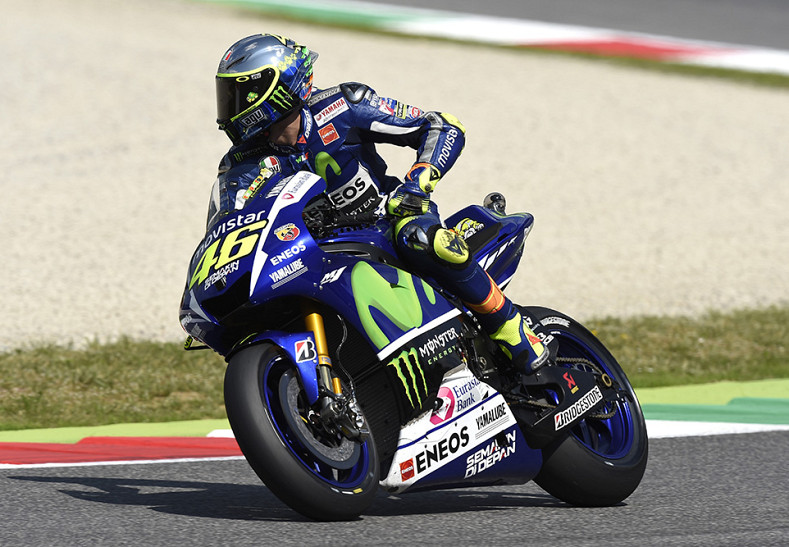
9 World Championships | 115 Grand Prix wins
Valentino Rossi didn’t just succeed on track — he transformed motorcycle racing itself.
Winning world championships in 125cc, 250cc, 500cc, and MotoGP, Rossi demonstrated adaptability across engine formats, tyre wars, electronics revolutions, and manufacturer changes. His switch from Honda to Yamaha and immediate championship success remains one of the boldest moves in racing history.
Rossi’s longevity is equally remarkable. He remained competitive for over two decades at the very highest level, often battling riders half his age. Beyond results, his influence on rider branding, fan engagement, and the commercial growth of MotoGP is impossible to ignore.
Rossi made greatness visible — and sustainable.
3. Marc Márquez
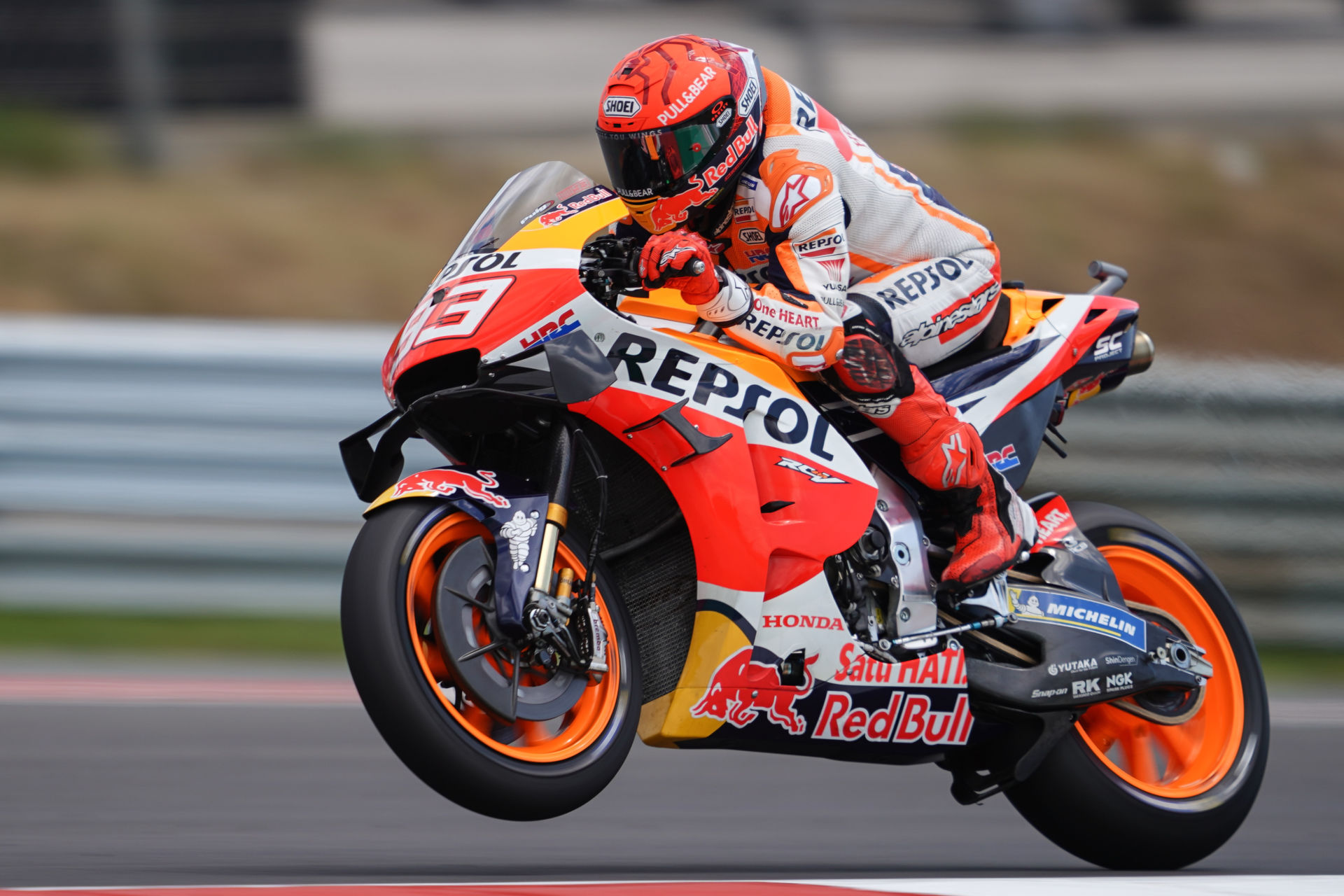

8 World Championships | Youngest premier-class champion
Marc Márquez represents the most extreme expression of modern track racing talent.
From the moment he arrived in MotoGP, Márquez redefined the limits of front-end control. His riding style — saving crashes that physics insisted were inevitable — forced engineers, rivals, and organisers to rethink what a rider could do.
His peak years were defined by domination rather than competition. Entire grids raced for second place. Injuries may have interrupted his momentum, but they did not diminish the scale of his achievements.
On raw ability alone, Márquez belongs in any discussion of the greatest circuit racer the sport has ever produced.
4. Mick Doohan
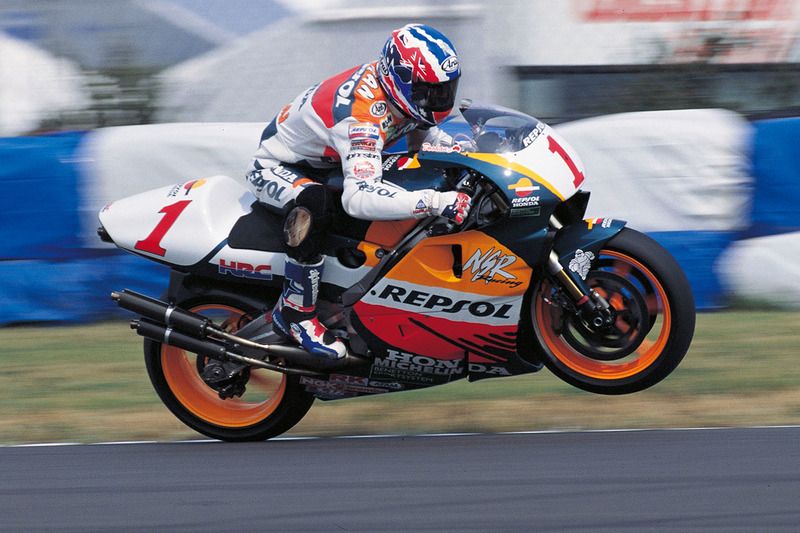

5 consecutive 500cc World Championships
Mick Doohan’s success came in one of the most dangerous and competitive eras of Grand Prix racing.
Riding the brutally powerful Honda NSR500, Doohan dominated the mid-to-late 1990s with ruthless efficiency. What makes his achievements extraordinary is that he did so while managing severe injuries that permanently altered his physical condition.
Doohan didn’t rely on flair. He relied on precision, mental toughness, and relentless pressure. His five consecutive titles weren’t dramatic — they were inevitable. Entire seasons unfolded with one unanswered question: who would finish second?
5. Jonathan Rea


6 World Superbike Championships
Jonathan Rea earns his place by redefining what success looks like outside MotoGP.
As the most successful rider in World Superbike history, Rea turned consistency into an art form. His dominance during the Kawasaki era wasn’t built on raw aggression but on intelligence, preparation, and the ability to extract results regardless of conditions.
Rea’s career proves that circuit racing greatness isn’t limited to Grand Prix paddocks. World Superbike demands adaptability to production-based machinery, varied circuits, and relentless competition — all of which Rea mastered better than anyone before him.
Honourable Mentions: Circuit Legends Who Shaped the Sport
Several riders fall just outside the top five but remain absolutely essential to circuit racing history:
-
Jorge Lorenzo – Five-time world champion whose corner-speed precision redefined modern racecraft
-
Casey Stoner – Raw talent capable of taming bikes others couldn’t ride competitively
-
Carl Fogarty – Ducati icon and four-time WorldSBK champion
-
Kenny Roberts – The rider who brought dirt-track technique to Grand Prix racing
-
Max Biaggi – Success across both GP and WorldSBK disciplines
Why Track Racing Success Is So Demanding
Circuit racing success is built on repetition. Unlike road racing, where one perfect run can define a career, track racing demands excellence every weekend, across seasons, and often across multiple technical rule changes.
The riders on this list didn’t just win races — they adapted to:
-
New tyre suppliers
-
Electronic revolutions
-
Regulation changes
-
Younger, faster rivals
That sustained relevance is what separates champions from legends.
Final Thought
Track racing greatness isn’t loud. It accumulates quietly through consistency, pressure, and longevity.
These five riders didn’t just master circuits — they reshaped them, leaving benchmarks that still define success today. And just like the TT, circuit racing proves one thing beyond doubt:
True greatness is never accidental.
TT vs Track Racing: Why Greatness Looks Completely Different on Roads and Circuits