

When Did We Start Accepting It? The Slow Normalisation of Motorcycle Theft

There was a time when blatant theft in broad daylight caused a scene.
Voices would rise. People would gather. Someone would intervene. The shock alone would stop a criminal mid-act.
Today?
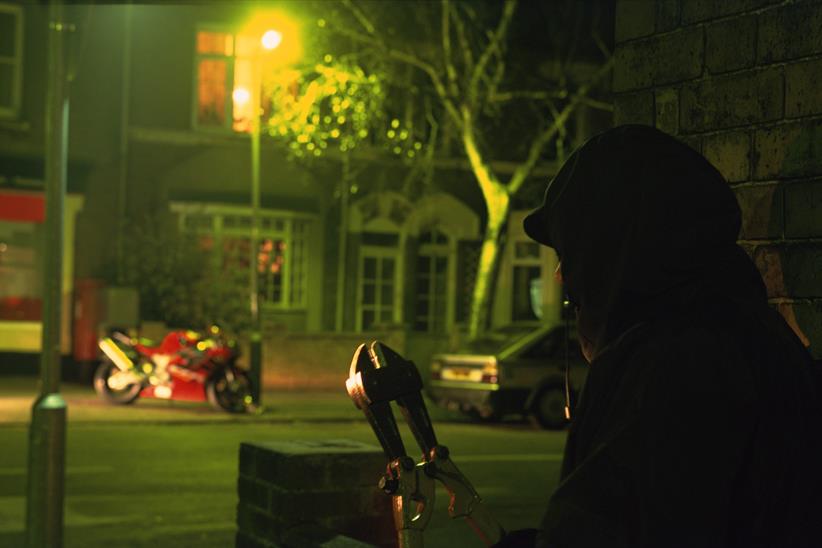
An angle grinder screams through a lock at lunchtime, sparks bouncing across the pavement, and the world keeps moving.
Heads turn briefly. Phones lift. Footage gets uploaded. Outrage lives in the comments section.
Then everyone scrolls on.
So here’s the uncomfortable question: have we started accepting blatant theft as normal?
And if so, how did we get here?
The Desensitisation Effect
Exposure changes perception.
When something shocking happens once, it triggers outrage. When it happens repeatedly — especially on social media — it becomes familiar. Familiarity dulls emotional impact.
We’ve watched so many clips of brazen motorcycle theft that the shock factor has worn thin. What once felt extraordinary now feels routine.
Psychologists call this desensitisation. Repeated exposure reduces emotional response. Crime doesn’t necessarily increase — but our reaction to it softens.
That’s a dangerous shift.
Because outrage is a social deterrent. When a community reacts strongly, criminals feel pressure. When reaction fades, boldness grows.
From Community to Individualism
There’s another cultural shift at play.
Society has moved from collective responsibility toward individual responsibility. Decades ago, neighbourhoods were tighter. People knew each other. Protecting shared spaces felt instinctive.
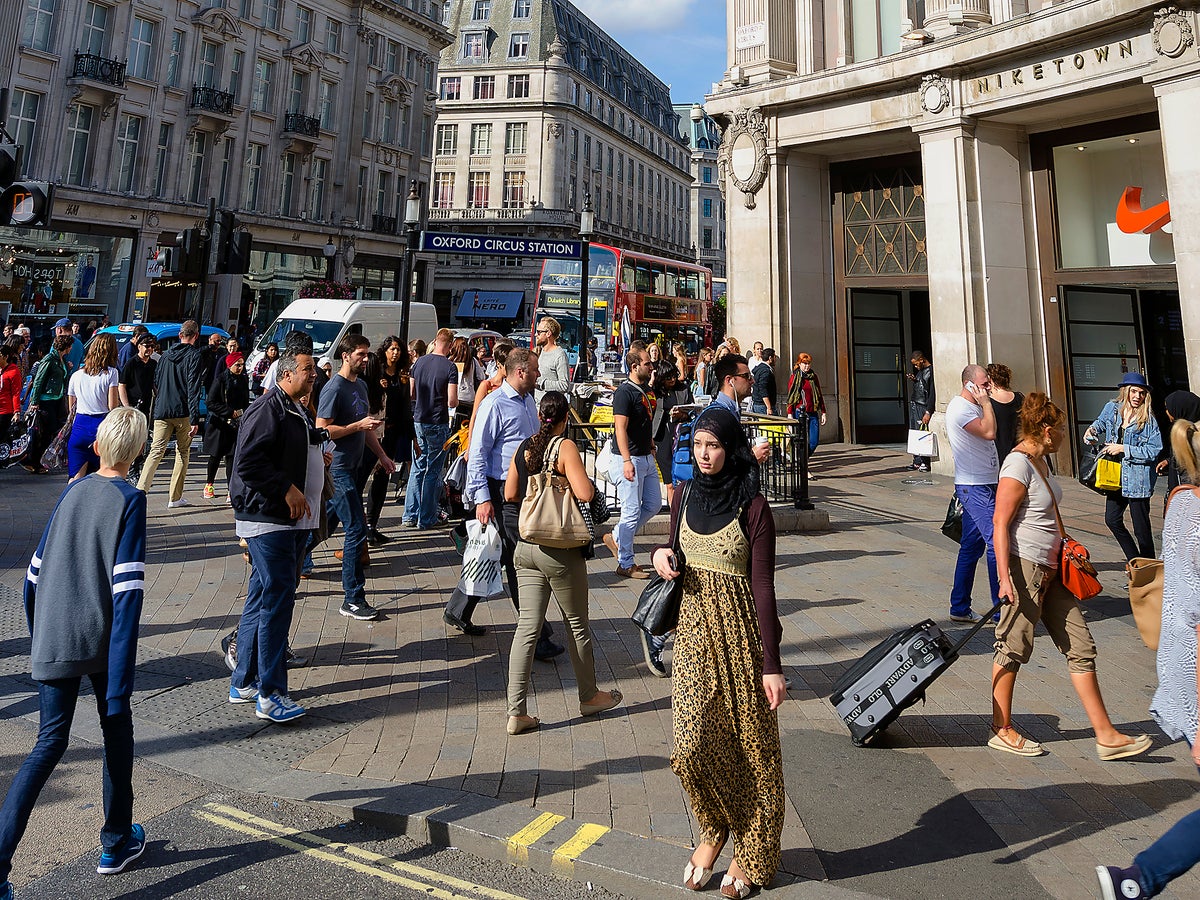
Now, urban life is anonymous. We move through crowds without connection. “Not my problem” becomes the default setting.
That doesn’t mean people approve of theft. It means they prioritise personal safety and convenience.
The mindset has subtly shifted from community defence to personal risk management.
The Rise of Low-Level Crime Tolerance
Petty theft, shoplifting, bike theft — these crimes increasingly sit in a grey zone of public response.
They’re seen as unfortunate but not catastrophic.
There’s a hierarchy in public outrage. Violent crime triggers immediate alarm. Property crime often does not.
But here’s the flaw in that logic.
Property crime funds broader criminal networks. Organised vehicle theft isn’t isolated mischief. It connects to wider illegal activity — fraud, drugs, money laundering.
When we dismiss it as “just a bike,” we underestimate its ripple effect.
The Social Media Factor
Social media has amplified crime visibility while simultaneously diluting reaction.
We see more theft than ever before because everyone carries a camera. But that constant exposure creates fatigue.
Outrage becomes performance. Anger is expressed through comments rather than action.
We vent digitally. We rarely escalate physically.
It feels like engagement. It rarely changes outcomes.
And thieves know this.
Visibility without consequence does not deter. It emboldens.
Economic Pressure and Moral Drift
There’s also a harsher truth.
Economic strain changes moral tolerance.
When cost-of-living pressures rise, sympathy narratives creep in. Theft gets reframed by some as desperation rather than criminality.
That doesn’t justify it — but it influences public perception.
When moral clarity blurs, condemnation softens.
And criminals operate most confidently in blurred environments.
The Slippery Slope of Acceptance
Normalisation rarely happens in dramatic leaps. It creeps.
First, we’re shocked.
Then we’re frustrated.
Then we’re resigned.
Then we expect it.
That’s the slope.
When riders begin saying, “It’s only a matter of time before mine goes,” something deeper has shifted. Theft has moved from exception to inevitability.
That resignation is toxic.
Because when crime feels inevitable, prevention efforts weaken. Reporting urgency drops. Public pressure fades.
Criminal confidence rises.
The Confidence of Daylight
Daylight theft is symbolic.
It says: “We don’t fear interruption.”
That’s not just about policing. It’s about perception.
Criminal behaviour expands to fill the space society allows.
If thieves believe no one will intervene and response will be slow, they adapt accordingly.
Boldness becomes strategy.
And when boldness goes unchecked, it escalates.
Today it’s angle grinders on pavements.
Tomorrow? Greater aggression if challenged.
That’s how slopes become cliffs.
Have Consequences Changed?
Another factor often discussed quietly is sentencing and repeat offending.
If penalties are perceived as inconsistent or insufficient, deterrence weakens.
Deterrence depends not just on punishment severity but on certainty. If criminals believe consequences are unlikely or delayed, risk becomes manageable.
And where risk feels manageable, behaviour persists.
The Rider’s Frustration
For motorcyclists, this shift feels personal and cultural.
Biking has always carried an element of risk — weather, roads, traffic. But theft feels different. It feels preventable. It feels societal.
When you see your passion treated as disposable property, it stings.
And when blatant theft doesn’t trigger collective reaction, it feels like abandonment.
But perhaps the frustration should be redirected.
Not at passers-by.
At the erosion of deterrence.
What Happens If We Accept It?
Here’s the real concern.
When society tolerates small breaches of order, larger breaches follow.
Visible theft without challenge changes behavioural boundaries. It sends a message — consciously or not — that public space is negotiable.
That slippery slope isn’t dramatic. It’s incremental.
Reduced outrage. Reduced reporting urgency. Reduced enforcement visibility.
Increased boldness.
Increased frequency.
Increased normalisation.
History shows that public disorder expands where deterrence contracts.
Reversing the Drift
The answer isn’t vigilantism. It isn’t expecting civilians to become enforcers.
It’s restoring deterrence.
Visible policing in hotspots.
Swift response to tracker alerts.
Consistent disruption of organised networks.
Clear sentencing for repeat offenders.
And culturally — a refusal to shrug.
Calling theft “just one of those things” feeds the slope.
Calling it unacceptable reinforces boundaries.
The Motorbike Mad View
You’re not wrong to feel that something has changed.
Outrage used to feel louder. Now it feels quieter, confined to comment sections.
But societal attitude isn’t fixed. It shifts with pressure, leadership, and visibility.
If we allow blatant theft to become background noise, it will.
If we demand consistent deterrence and refuse resignation, the slope flattens.
Motorcycles represent freedom. That’s why they matter.
And perhaps the real test of society isn’t how it reacts to major crimes.
It’s how it responds when sparks fly at noon — and whether it still believes that’s unacceptable.