

From Pavement to Parts Bin: The Real Journey of a Stolen Motorcycle

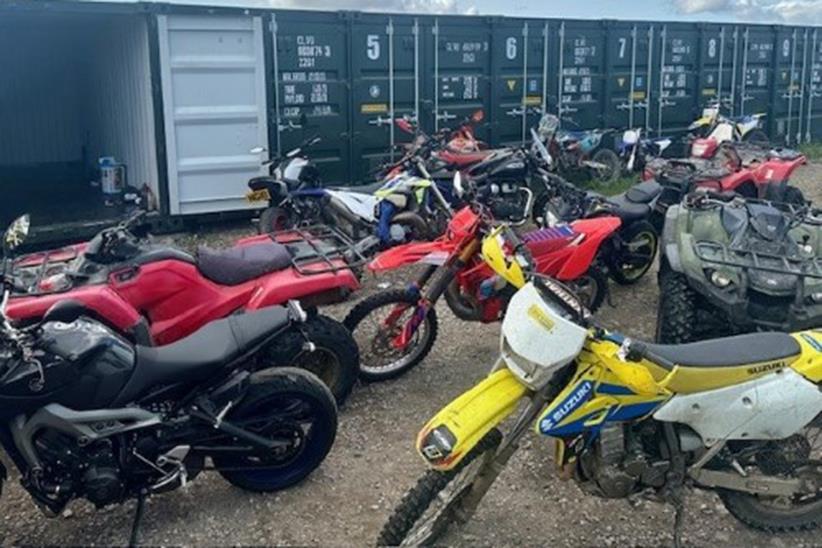
When a motorcycle disappears, most riders imagine it being ragged around an estate for a few days before being torched. That still happens. But increasingly, theft is industrial.
The modern stolen bike rarely dies dramatically. It gets processed.
The First Hour: Movement Is Everything
Once taken, a motorcycle is usually moved quickly to a temporary holding location — often a van, a residential garage, or even an underground car park. Thieves want to buy time. The first hour is critical. If a tracker is fitted and police respond quickly, recovery is possible. If not, the bike enters the system.
This is where theft stops being opportunistic and starts being organised.
Chop Shops: Not a Hollywood Myth
Across the UK, police regularly uncover dismantling operations where motorcycles are stripped within hours. Frames, wheels, ECUs, forks — separated and catalogued. VIN plates removed. Identities altered.
The National Police Chiefs’ Council has highlighted how vehicle crime is often linked to wider organised criminal networks. Motorcycle parts are valuable, portable, and far easier to resell than entire machines.
A sports bike broken into components can generate more revenue than selling it intact — and it’s far harder to trace.
Cloning: Identity Theft on Two Wheels
One of the fastest-growing problems is “cloning”. A stolen bike is given the identity of a legitimate motorcycle of the same make and model. False number plates, falsified VIN stamps, forged documents.
Now it looks clean.
Unsuspecting buyers become the final victim — often losing both bike and money when police discover the fraud.
This is why checking VIN numbers, service history consistency, and HPI reports is not optional. It’s survival.
Export Markets
Not every stolen motorcycle stays in Britain.
High-demand models — especially middleweight sports bikes and premium brands — are frequently shipped overseas. Once inside a container and out of UK jurisdiction, recovery becomes extremely unlikely.
Ports have seen seizures linked to organised vehicle crime networks. National coordination through bodies like the National Vehicle Crime Reduction Partnership aims to improve intelligence sharing between police, insurers, and border authorities.
But criminals adapt fast. They always do.
Why Certain Bikes Are Targeted
Theft isn’t random.
Commonly targeted categories include:
-
Popular middleweight naked bikes
-
Commuter scooters
-
High-demand sport models
-
Bikes with interchangeable parts
These machines are easy to resell, easy to strip, and easy to hide.
Exotic superbikes? Surprisingly less common targets. Too distinctive. Too much heat.
The Economics Behind It
Motorcycle theft is supply and demand.
Rising parts prices. Long manufacturer lead times. Expensive insurance repairs. All of it feeds the black market.
If a rider will pay £600 for second-hand forks no questions asked, someone will supply them.
That uncomfortable reality rarely gets discussed.
The Hard Truth
Police can dismantle networks — and they do — but theft persists because there is profit.
The more friction introduced into resale, export, and cloning, the less viable the model becomes. That means:
-
Better parts traceability
-
Stronger buyer awareness
-
Faster tracker-based recovery
-
Harsher penalties for organised vehicle crime
Motorcycle theft isn’t random chaos. It’s business. And businesses collapse when margins disappear.